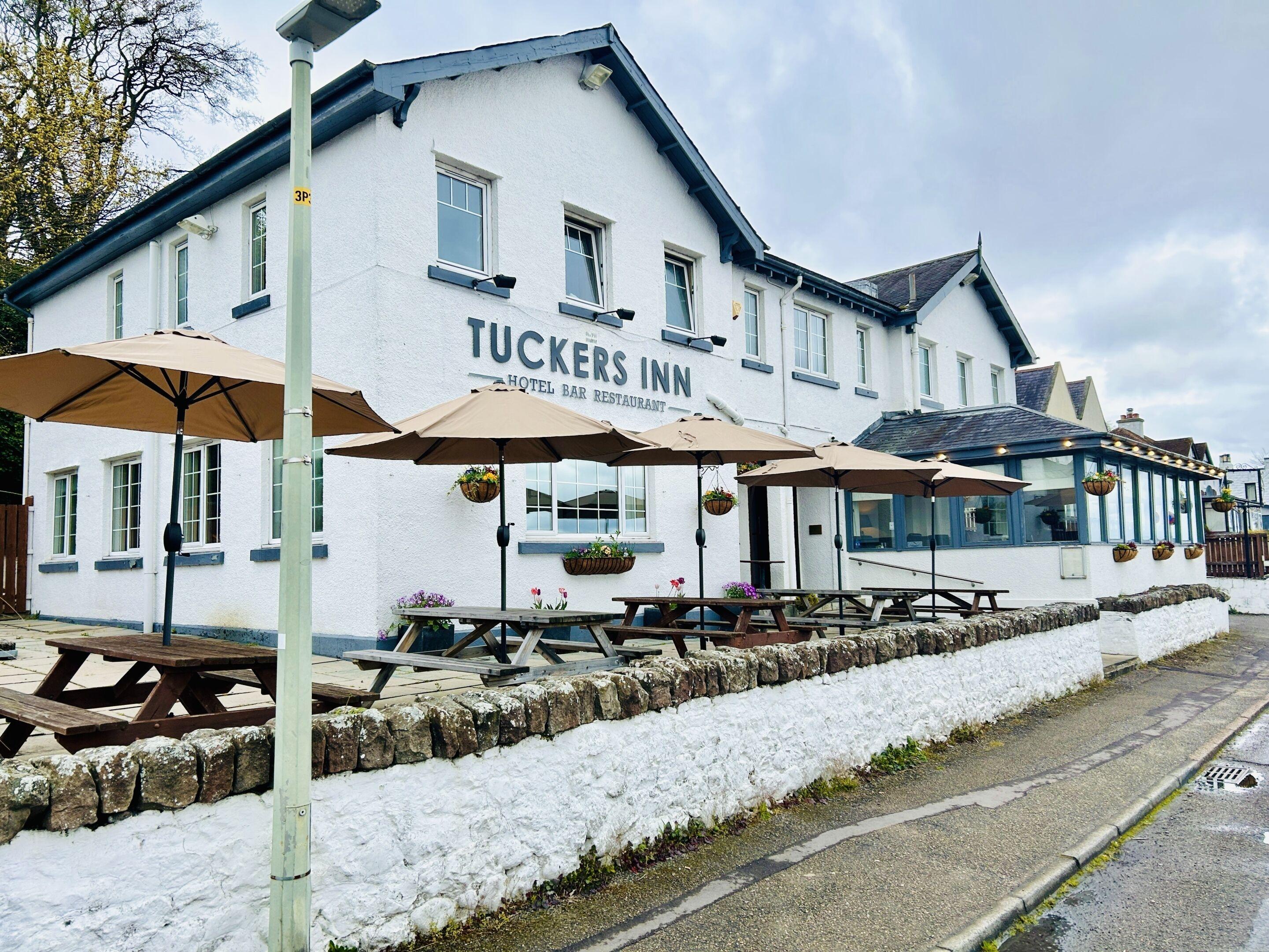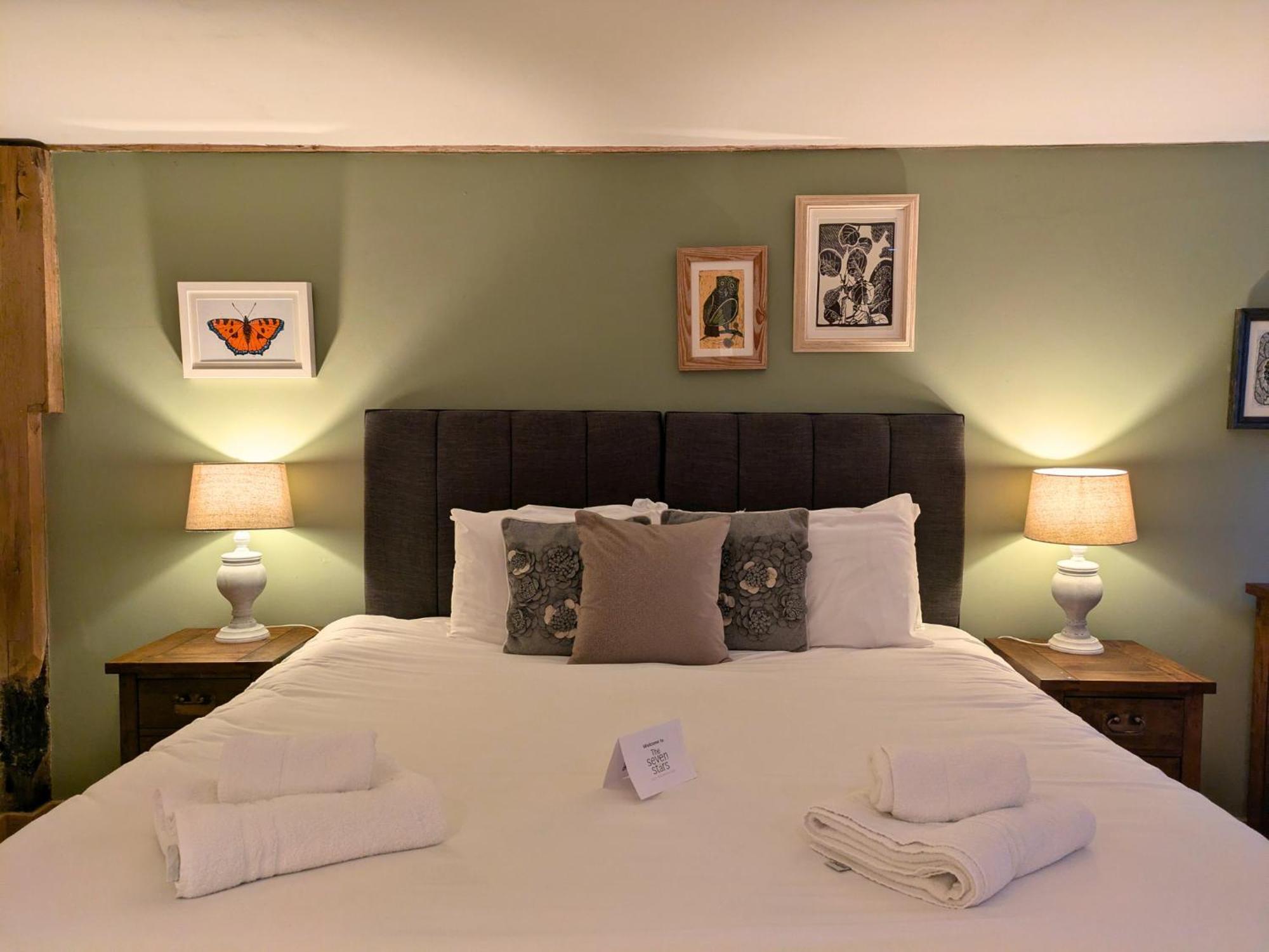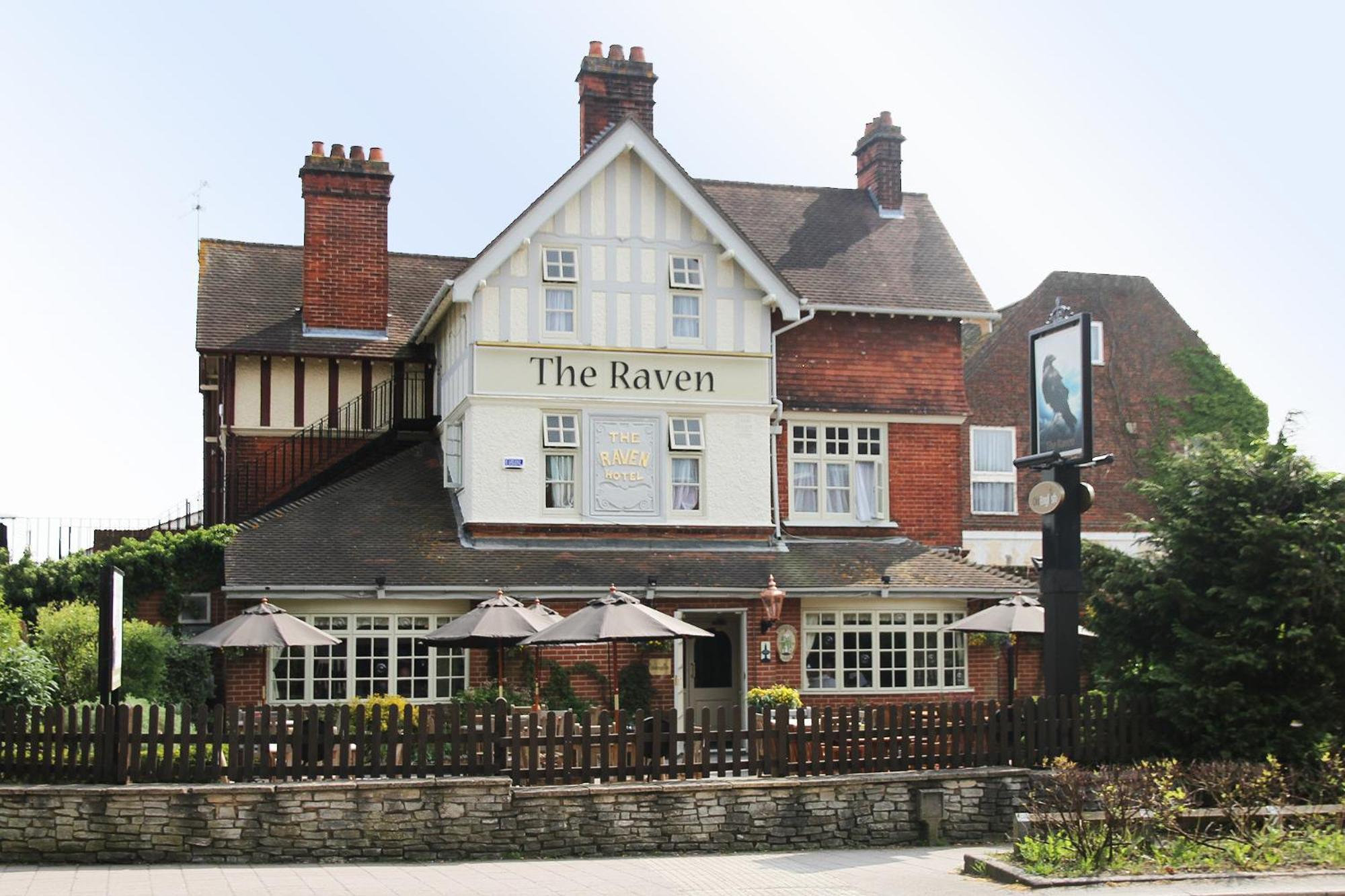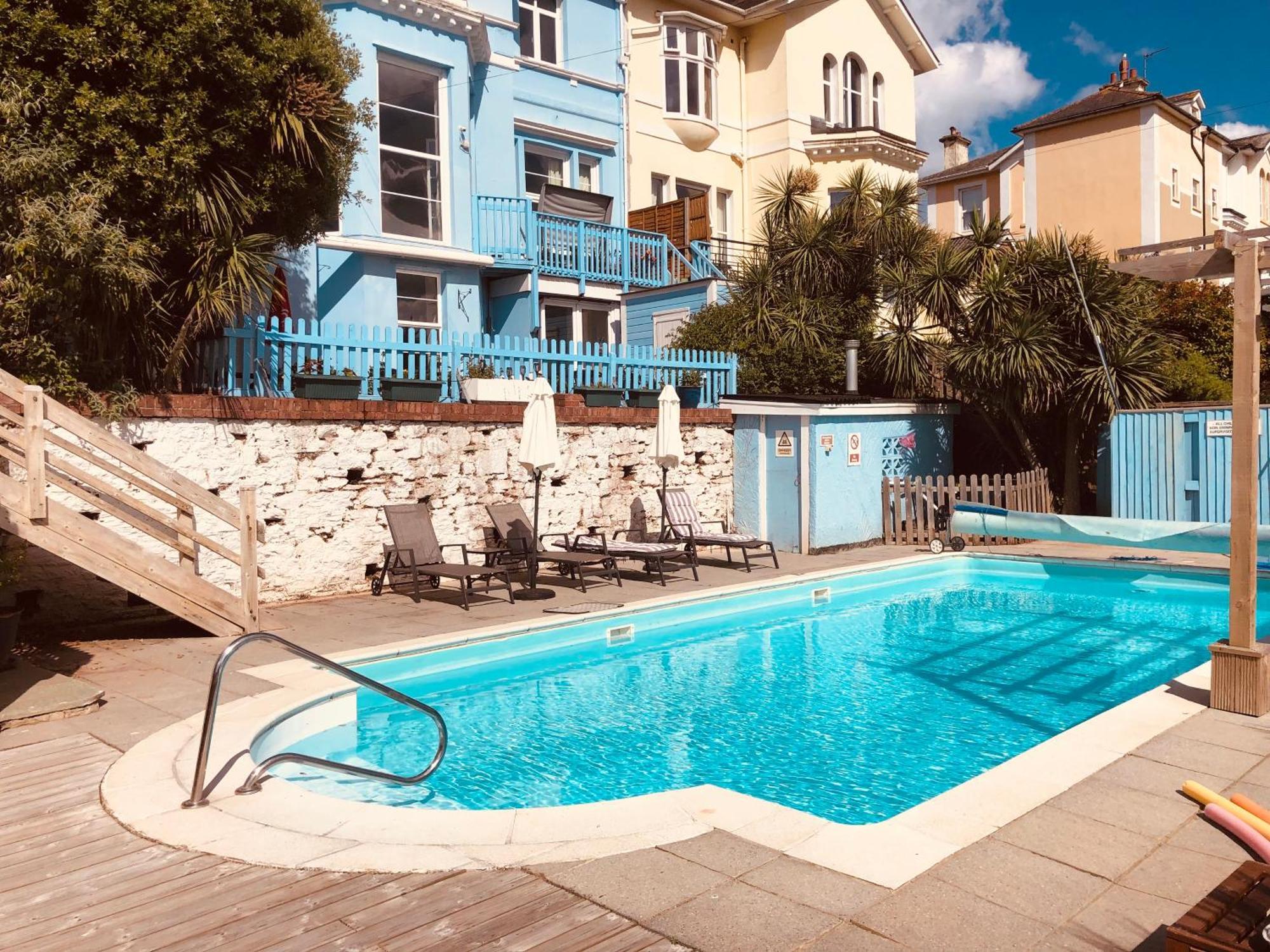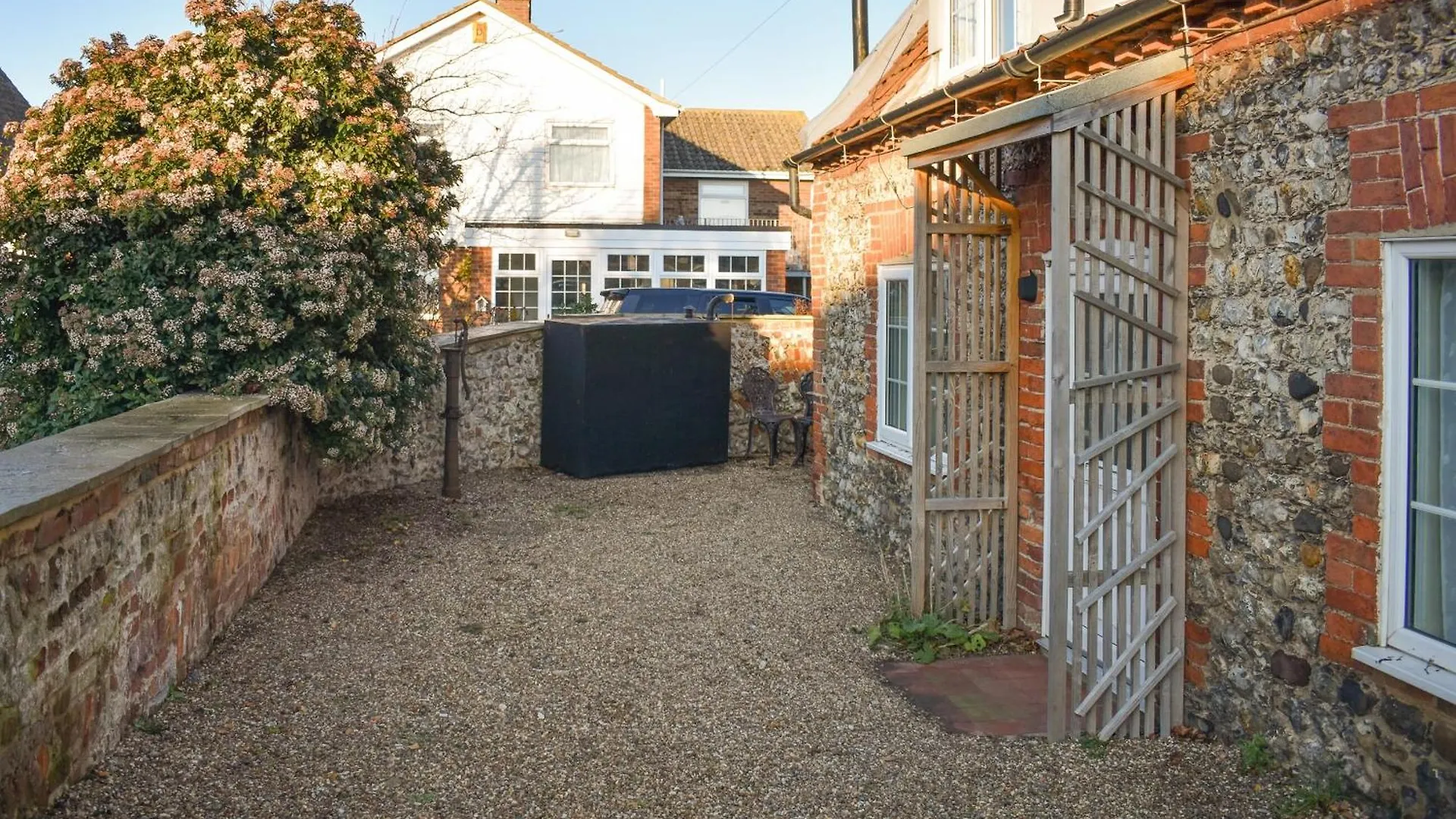
Titchwell Marsh RSPB Reserve sits on the North Norfolk Coast between Brancaster and Thornham, drawing birdwatchers and wildlife enthusiasts year-round to spot avocets, marsh harriers, and bitterns across its freshwater and saltmarsh habitats. Staying close to the reserve means early access to hides before day visitors arrive, with accommodation options spread across the quiet villages of Brancaster, Brancaster Staithe, Burnham Market, and Thornham - all within a short drive of the reserve entrance on the A149 coast road.
What It's Like Staying Near Titchwell Marsh RSPB Reserve
The area surrounding Titchwell Marsh RSPB Reserve is deeply rural North Norfolk - a stretch of coastline with no urban centre, minimal street lighting, and virtually no public transport after dark. Villages like Brancaster, Thornham, and Burnham Market serve as the practical bases, each within around 5 km of the reserve entrance on the A149. A car is essential here; the nearest train station is at King's Lynn, over 25 km away, making self-drive the only realistic option for most visitors. Footfall at the reserve itself peaks heavily on weekend mornings between April and October, with the car park at the reserve frequently filling before 9am during peak migration seasons.
Pros:
- Early-morning hide access before day-trippers arrive from Norwich or Cambridge
- Accommodation in working Norfolk villages with real local pubs and farm shops nearby
- Close proximity to the coastal path connecting Thornham, Titchwell, and Brancaster Staithe
Cons:
- No walkable public transport links - every trip requires a car
- Village shops and restaurants have limited evening hours, especially outside summer
- Holiday home demand spikes sharply in school holidays, reducing availability weeks in advance
Why Choose Centrally Located Hotels Near Titchwell Marsh RSPB Reserve
In this part of North Norfolk, 'centrally located' means being positioned along or just off the A149 coast road - the single artery linking all villages between Hunstanton and Wells-next-the-Sea. Properties in Brancaster and Thornham offer the tightest cluster around Titchwell Marsh, putting the reserve within a 5-minute drive in either direction. Burnham Market sits slightly further inland but compensates with a wider range of restaurants and independent shops. Holiday homes dominate the accommodation market here, typically offering more space and self-catering flexibility than the scarce hotel rooms in the area, and are generally better suited to multi-night birdwatching or coastal walking stays. Nightly rates for well-positioned cottages and holiday homes in this area average around £150 per night outside peak season, rising significantly in July and August.
Pros:
- Self-catering kitchens allow early packed lunches for dawn reserve visits without relying on local cafés
- Private parking at nearly all properties - critical given the reserve's limited and busy car park
- Staying in the same village for multiple nights avoids daily commute friction from further afield
Cons:
- Minimum stay requirements of 3 to 7 nights apply at most holiday homes, especially in peak season
- Properties fill months ahead for spring and autumn migration periods
- Boutique hotel-style amenities (daily housekeeping, on-site dining) are largely absent in this rural area
Practical Booking & Area Strategy Near Titchwell Marsh
The A149 coast road is the geographic spine of this area - properties on or just off this road in Thornham or Brancaster give the fastest no-junction access to Titchwell Marsh RSPB Reserve. Thornham sits approximately 2 km east of the reserve entrance, while Brancaster is around 4 km to the west, both reachable in under 10 minutes by car. Burnham Market, around 11 km from the reserve, works well as a base if you want village amenities (delis, wine merchants, restaurants on The Green) alongside coastal access. For birdwatchers targeting spring migration in April and May or autumn wader passage in August and September, booking at least 8 weeks ahead is advisable - properties in Thornham and Brancaster Staithe sell out fast during these windows. Beyond the reserve itself, nearby draws include Holkham Beach (around 19 km east), Brancaster Beach (walkable from Brancaster properties), and Blakeney Point seal colonies (around 26 km east). The Norfolk Coast Path passes through all villages, giving on-foot connectivity between accommodation and multiple coastal habitats.
Best Value Stays Near Titchwell Marsh
These properties offer strong self-catering setups at competitive price points, with practical amenities that suit multi-night birdwatching or coastal walking stays without unnecessary extras.
-
1. Pump Cottage
Show on map


 Check-infrom 16:00 until 23:59Check-outuntil 10:00
Just a few rooms left at the best rate!
from£ 63
-
2. 4 Bed In Brancaster Oc-1918
Show on map


 Check-infrom 16:00Check-outuntil 10:00
Just a few rooms left at the best rate!
from£ 398
Best Premium Stays Near Titchwell Marsh
These properties offer either boutique-style presentation, historic character, or superior facilities compared to standard holiday lets in the area - suited to visitors who want more than a functional base.
-
3. Boutique Bedrooms
Show on map


 Check-infrom 16:00 until 22:00Check-outfrom 07:00 until 10:00
Hurry – almost gone at this price!
from£ 147
-
4. Host & Stay - The Chapel In Thornham
Show on map


 Check-infrom 16:00 until 23:59Check-outuntil 10:00
Hurry – almost gone at this price!
from£ 236
-
5. Number 43 The Poplars
Show on map


 Check-infrom 15:00 until 23:59Check-outuntil 10:00
Rooms filling fast – secure the best rate!
from£ 268
Smart Travel & Timing Advice for Titchwell Marsh
Titchwell Marsh RSPB Reserve operates year-round, but visitor patterns split sharply by season. April through May is the premier window for birdwatching - avocet breeding, marsh harrier display flights, and migrant waders peak during this period, and local accommodation fills faster than at any other time of year. August and September bring a second surge driven by autumn wader passage and the start of school holiday overlap. Summer school holidays (late July to August) drive accommodation prices to their highest point across all Brancaster, Thornham, and Burnham Market properties, with some holiday homes commanding rates around 60% above their off-peak baseline. The quietest and most affordable window runs November through February - the reserve remains active with wintering wildfowl including pink-footed geese and Brent geese, and properties are bookable with shorter lead times. A minimum of 3 nights makes practical sense for any dedicated reserve visit; a single night rarely justifies the travel distance and leaves little time across multiple tide and light conditions. For spring migration, booking 10 to 12 weeks ahead is the realistic minimum for properties in Thornham and Brancaster.