The Moray Firth coastline stretches across the northern tip of Scotland, encompassing towns like Nairn, Inverness, Wick, Invergordon and Buckie - each offering a distinct base for exploring castles, golf courses, dolphin-watching spots and Highland distilleries. Staying centrally in any of these towns means walkable access to local restaurants, rail links and coastal trails without the need for a car at every turn. This guide covers 9 central hotels across the Moray Firth region to help you decide exactly where to stay and why.
What It's Like Staying In Moray Firth
The Moray Firth region is Scotland's most dolphin-watched coastline, with bottlenose dolphin sightings possible year-round at Chanonry Point near Fortrose. Towns here are compact and walkable - most town centres take under 15 minutes to cross on foot - but distances between settlements are significant, making a car essential for multi-town exploration. Visitors without a car are best placed in Nairn or Wick, both of which have rail connections and walkable seafronts. The region draws wildlife enthusiasts, whisky trail travellers and golfers rather than stag-party crowds, which keeps the atmosphere in most towns calm even in summer.
Pros:
- Uncrowded coastal towns with direct beach and harbour access from most central properties
- Strong breakfast culture across the region - most central hotels and B&Bs serve full Scottish breakfasts with local produce
- Rail connections from Nairn and Wick reduce reliance on a hire car for day trips to Inverness or the far north
Cons:
- Distances between Moray Firth towns can exceed 80 km, making multi-destination trips time-consuming without a car
- Restaurant and shop closing times are early by city standards - many close by 8pm outside of summer
- Accommodation options in smaller villages like Helmsdale and Portsoy are limited, with fewer than 5 bookable properties in each
Why Choose Central Hotels In Moray Firth
Central hotels in Moray Firth towns position guests within walking distance of harbour fronts, high streets and local transport links - a meaningful advantage when towns like Nairn or Beauly have their key attractions concentrated within a tight radius. Unlike rural guesthouses further inland, centrally located properties here typically include on-site bars or restaurants, removing the need for a car after dark. Rates at central Moray Firth hotels generally sit below those in Inverness city for comparable facilities, making them a cost-efficient base for Highland exploration. Properties with free parking - standard across most options here - add further value over city-centre stays where parking costs accumulate quickly.
Pros:
- On-site dining at most central properties removes the need to drive to find food in the evenings
- Free private parking is near-universal across central Moray Firth hotels, unlike in Inverness city
- Central positioning in towns like Nairn or Beauly puts guests within walking distance of beaches, golf clubs and local shops
Cons:
- Central locations in smaller towns still require a car to reach major attractions like Dunrobin Castle or Elgin Cathedral
- Room sizes in converted historic buildings can be compact, particularly in upper-floor rooms accessed by stairs only
- Some properties have limited weekend availability during summer and whisky festival season - booking around 6 weeks ahead is advisable
Practical Booking & Area Strategy
Nairn is the strongest all-round base on the Moray Firth for guests without a car - Inverness Airport is just 11 km away, the beach is walkable, and two championship golf courses sit within the town boundaries. Beauly, by contrast, suits travellers using Inverness as a hub, with the town centre just 20 km from Inverness Railway Station and a quieter, village atmosphere. For travellers focused on the far north - John O'Groats, Orkney ferries, or Dunrobin Castle - Wick or Helmsdale provide a more logical overnight stop and help break up long northward drives. Invergordon is worth considering for cruise port arrivals, as the town's central accommodation sits minutes from the pier. Peak season runs from late June through August, when dolphin-watching demand, the Highland Games calendar and golf tourism converge - book early for any coastal property during this window. The Moray Speyside Whisky Festival in late April also fills accommodation across Buckie, Portsoy and surrounding villages rapidly.
Best Value Stays
These centrally located properties offer strong practical value across the Moray Firth region, combining free parking, on-site dining and walkable town-centre access at accessible price points.
-
1. Struan House
Show on map


 Check-infrom 16:00 until 21:00Check-outfrom 08:00 until 11:00
Rooms filling fast – secure the best rate!
from£ 46
-
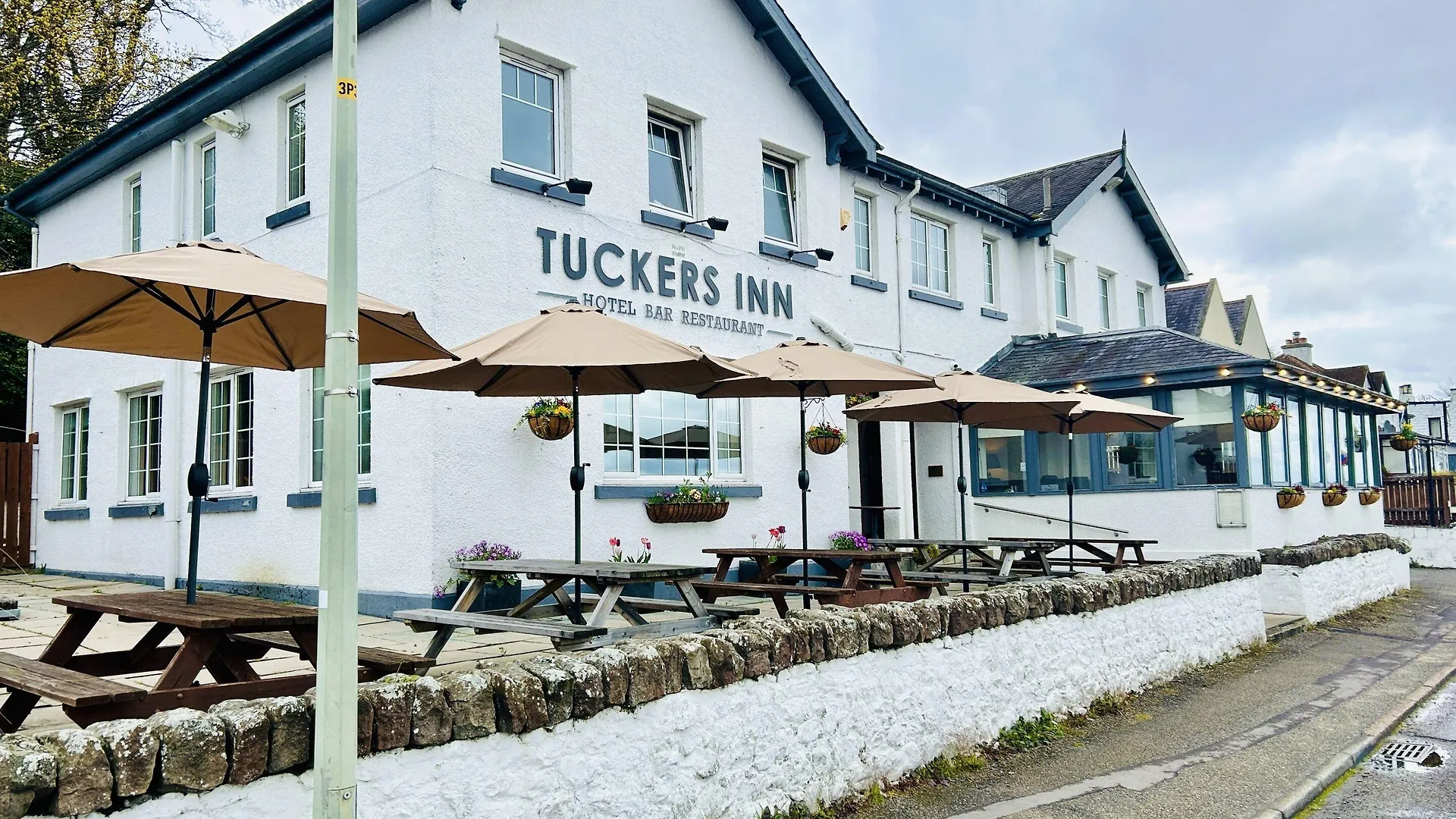
2. Tuckers Inn
Show on map


 Check-infrom 16:00 until 22:00Check-outuntil 10:00
Just a few rooms left at the best rate!
from£ 58
-
3. The Davron Hotel
Show on map


 Check-infrom 15:00 until 20:00Check-outfrom 07:00 until 10:00
Just a few rooms left at the best rate!
from£ 111
-
4. Bank Guest House
Show on map


 Check-infrom 16:00 until 23:59Check-outuntil 10:00
Just a few rooms left at the best rate!
from£ 66
-
5. Bannockburn Inn
Show on map


 Check-infrom 16:00 until 23:30Check-outuntil 10:00
Hurry – almost gone at this price!
from£ 88
-
6. The Station Hotel
Show on map


 Check-infrom 14:00 until 23:30Check-outfrom 07:00 until 11:00
Hurry – almost gone at this price!
from£ 136
Best Premium Stays
These properties offer higher-grade facilities, more polished service and stronger location credentials for travellers prioritising comfort and convenience across the Moray Firth region.
-
7. Lovat Arms Hotel
Show on map


 Check-infrom 16:00 until 21:00Check-outfrom 08:00 until 10:00
Hurry – almost gone at this price!
from£ 70
-
2. Tali Ayer
Show on map


 Check-infrom 16:00 until 21:00Check-outfrom 07:00 until 10:00
Rooms filling fast – secure the best rate!
from£ 120
-
3. Seabank House Hotel
Show on map


 Check-infrom 16:00 until 21:00Check-outfrom 04:00 until 10:00
Rooms filling fast – secure the best rate!
from£ 164
Smart Travel & Timing Advice for Moray Firth
The Moray Firth region has a clearly defined peak season from late June through August, when long daylight hours - over 17 hours in mid-June - combine with Highland Games events, dolphin-watching season at Chanonry Point and the Open Golf calendar to fill coastal accommodation fast. Booking at least 6 weeks ahead is strongly advised for any July or August stay, particularly in Nairn and Wick where room counts at central properties are low. The Moray Speyside Whisky Festival in late April creates a secondary demand spike around Buckie, Portsoy and Rothes - worth noting even for travellers not attending, as it reduces availability across the area. Shoulder season visits in May or September offer the best balance of accessible pricing, manageable crowds and stable weather; September in particular keeps reasonable daylight and sees fewer coach groups at key sites like Dunrobin Castle and Elgin Cathedral. A minimum of 3 nights is worth planning for any single Moray Firth base - the distances between key attractions mean that day trips require time, and a single overnight rarely does the region justice. Last-minute availability does appear outside of peak season, but room choice at smaller central properties narrows significantly, so early booking remains the more reliable strategy year-round.