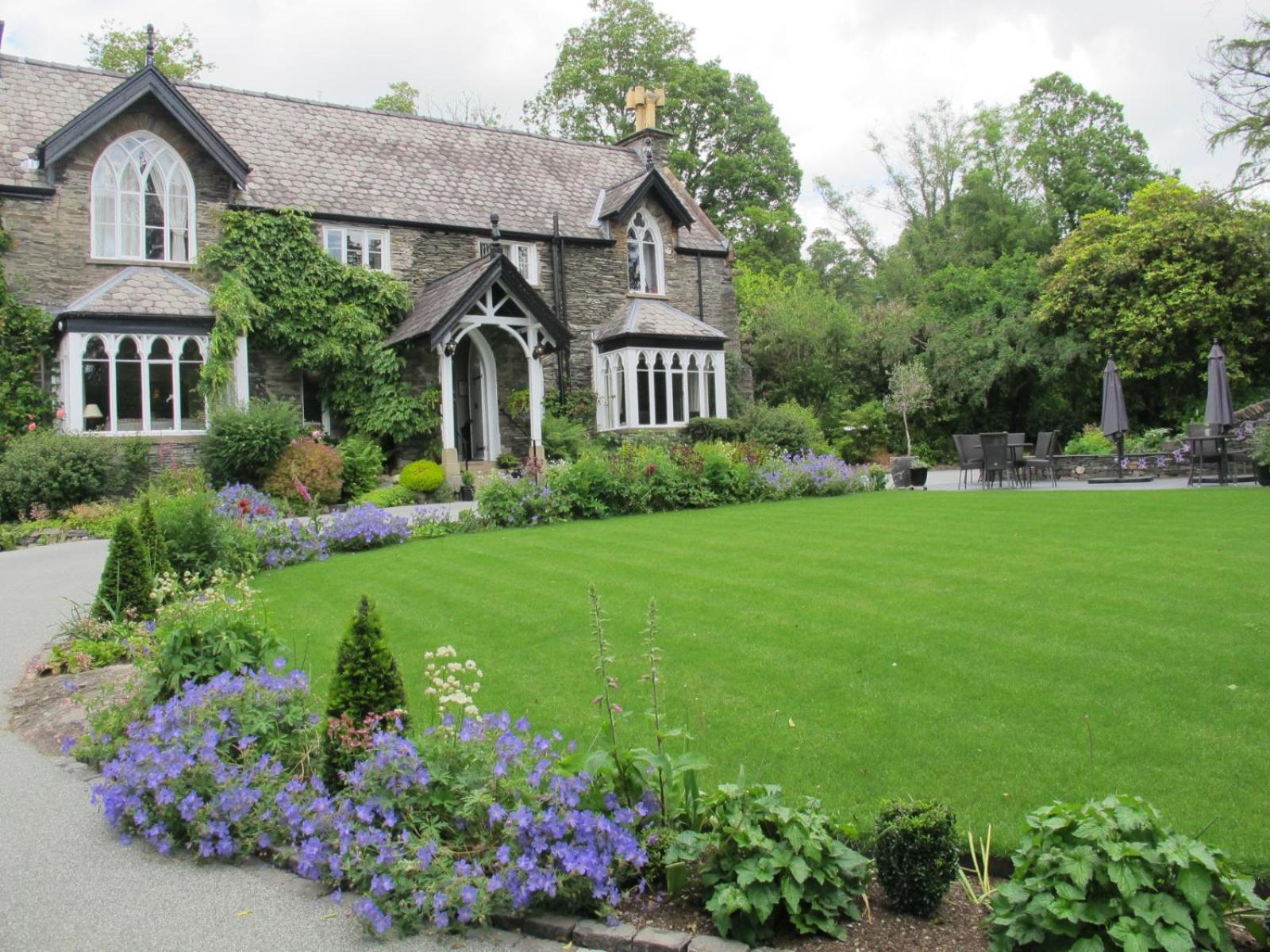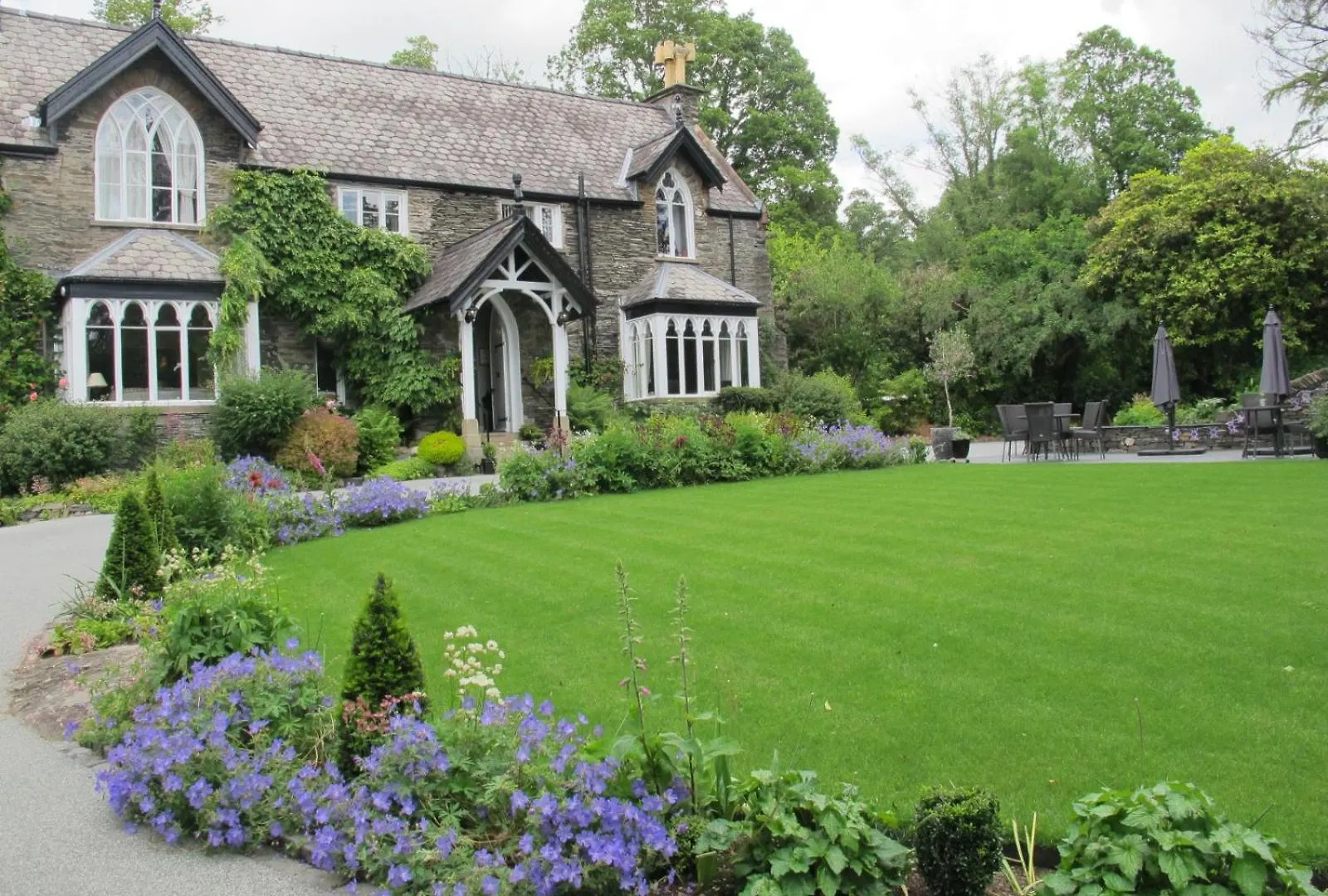
Staying near Lake Windermere means navigating a landscape where the quality of your host matters as much as the view. In a region where weather shifts fast, footpaths vary in difficulty, and transport links are limited outside Windermere town, having knowledgeable, attentive staff can genuinely shape your experience. These four properties consistently earn high marks specifically for their teams - not just their facilities.
What It's Like Staying Near Lake Windermere
The Lake Windermere area is a dispersed rural destination, not a compact city centre - properties range from the town of Windermere itself (with a train station and high street) to remote hamlets like Elterwater or Rydal, where the nearest shop may be several kilometres away. Walking to the lake from Windermere town takes around 10 minutes on foot, but properties marketed as "near the lake" can vary dramatically in actual distance. Transport options are limited to the Windermere train line, local bus routes, and ferries on the lake - car access is strongly advisable for reaching scattered villages.
Crowd patterns peak hard between late July and August, when the A591 corridor between Windermere and Ambleside becomes congested and accommodation books out weeks in advance. Outside of school holidays, the area quiets considerably, particularly in the villages.
Pros:
- Direct access to Lakeland walking routes, boat hire, and the Windermere ferry without needing to travel far
- Quieter village properties offer genuine seclusion and local character compared to urban Lake District towns
- Train connectivity at Windermere Station links directly to Oxenholme and the West Coast Main Line
Cons:
- Rural properties outside Windermere town require a car for most daily needs including dining and shopping
- Peak season foot and road traffic makes spontaneous movement around the area genuinely frustrating
- Mobile signal and transport frequency drop sharply in villages like Elterwater and Bowland Bridge
Why Choose Hotels with High Staff Ratings Near Lake Windermere
In the Lake District, staff quality translates to something tangible: accurate trail advice, dietary flexibility at breakfast, help arranging activities, and honest guidance on what's actually worth visiting given the weather on a specific day. These are not interchangeable services - they reflect local knowledge that most online booking platforms cannot provide. Properties rated highly for staff in this region tend to be smaller, owner-managed houses rather than large chain hotels, which creates a consistency of service that larger operations in nearby Ambleside or Kendal rarely replicate.
Smaller, staff-focused properties in this area typically run around 10 to 20 rooms, which allows for personalised attention that directly impacts your stay. The trade-off is that these properties often have limited evening dining options on-site, and some operate with restricted reception hours compared to larger hotels.
Pros:
- Local staff knowledge on walking routes, weather conditions, and lesser-known attractions is consistently more reliable than generic guidebook advice
- Smaller room counts mean staff can manage individual guest needs without the impersonal workflow of a large hotel
- Breakfast quality at staff-praised properties in this area regularly exceeds what self-catering or chain options provide
Cons:
- High-staff-rating properties near the lake tend to fill up fastest, particularly for weekend stays between April and October
- Some smaller properties have no 24-hour reception, which can be inconvenient for late arrivals from Windermere Station
- On-site dining may be limited to breakfast only, requiring evening transport to Windermere or Ambleside for dinner
Practical Booking & Area Strategy
For walking access to Lake Windermere itself, properties on or near Lake Road in Bowness-on-Windermere or within Windermere town offer the most manageable foot access to the water and the main ferry pier - Bowness Bay is under 10 minutes on foot from central Windermere accommodation. Properties in villages like Elterwater or Rydal require a car or the local 516 bus route, but trade convenience for dramatically lower crowd density and a more authentic Lakeland setting.
Key attractions within the broader area include Hill Top (Beatrix Potter's farmhouse in Near Sawrey), the Langdale Pikes walking circuit, the Windermere Lake Cruises pier at Bowness, and Grasmere village - all reachable within around 20 minutes by car from Windermere town. Book at least 6 weeks ahead for any Bank Holiday weekend or school summer holiday dates; last-minute availability at quality staff-rated properties is rare between July and August. Winter stays from November through February offer the lowest prices and thinnest crowds, though some smaller properties operate reduced hours or close temporarily.
Best Value Stays
These properties offer strong staff ratings alongside accessible pricing, making them practical choices for travellers prioritising service quality without committing to premium rates near the lake.
-
1. Cedar Manor
Show on map


 Check-infrom 15:00 until 23:00Check-outfrom 08:00 until 10:00
Just a few rooms left at the best rate!
from£ 204
-
2. Elterwater Hostel
Show on map


 Check-infrom 15:00 until 21:00Check-outfrom 07:00 until 10:00
Just a few rooms left at the best rate!
from£ 57
Best Premium Stays
These properties offer more distinctive settings and additional facilities, suited to travellers seeking a characterful or retreat-style experience in the Lake District rather than standard hotel accommodation.
-
1. Rydal Hall Christian Retreat Centre
Show on map


 Check-infrom 16:00 until 20:30Check-outuntil 10:00
Hurry – almost gone at this price!
from£ 111
-
4. Mason'S Arms
Show on map


 Check-infrom 15:00 until 22:00Check-outfrom 09:00 until 11:00
Rooms filling fast – secure the best rate!
from£ 132
Smart Travel & Timing Advice
The Lake Windermere area operates on a sharply seasonal rhythm. July and August see occupancy rates at small, staff-praised properties reach near capacity, with some booking out entirely within days of availability opening. Spring (late April to June) is consistently the strongest value window - weather is usable for walking, bluebell season peaks in the surrounding woodland, and accommodation prices sit noticeably below summer rates without the stripped-back availability of winter. Autumn (September to October) offers similarly competitive pricing and the added draw of low-angle light across the fells, though weekend availability drops faster than weekday.
For stays focused on walking, a minimum of three nights makes logistical sense - two nights is enough to do one major route and one village circuit, but the travel time from most UK cities to the Lake District means a two-night stay absorbs a significant portion of your available hours in transit. Book at least 8 weeks ahead for any stay between mid-July and early September at properties rated highly for staff - these fill before budget chain accommodation nearby. Last-minute availability in this category during peak season is rare and typically limited to midweek gaps.