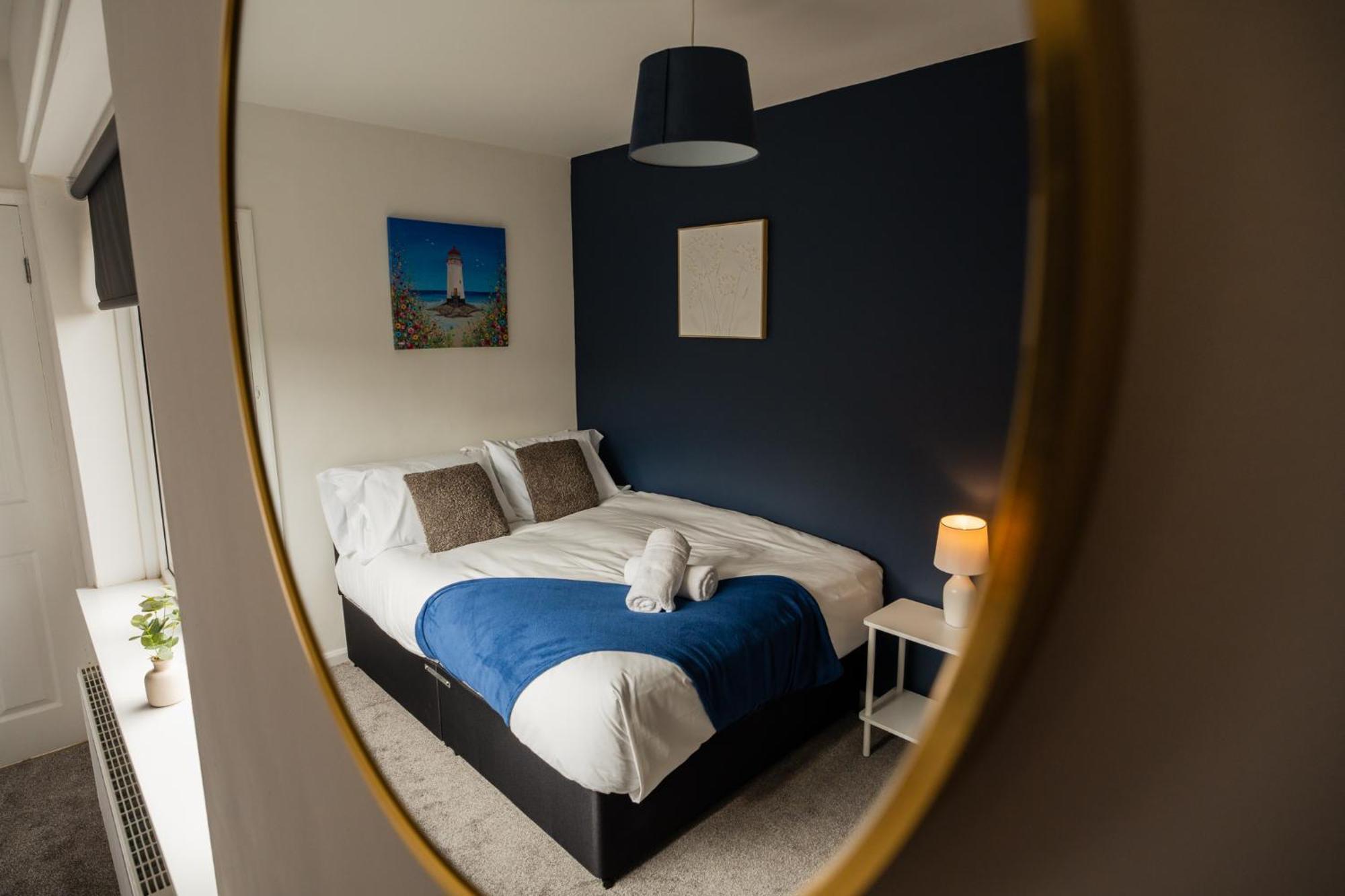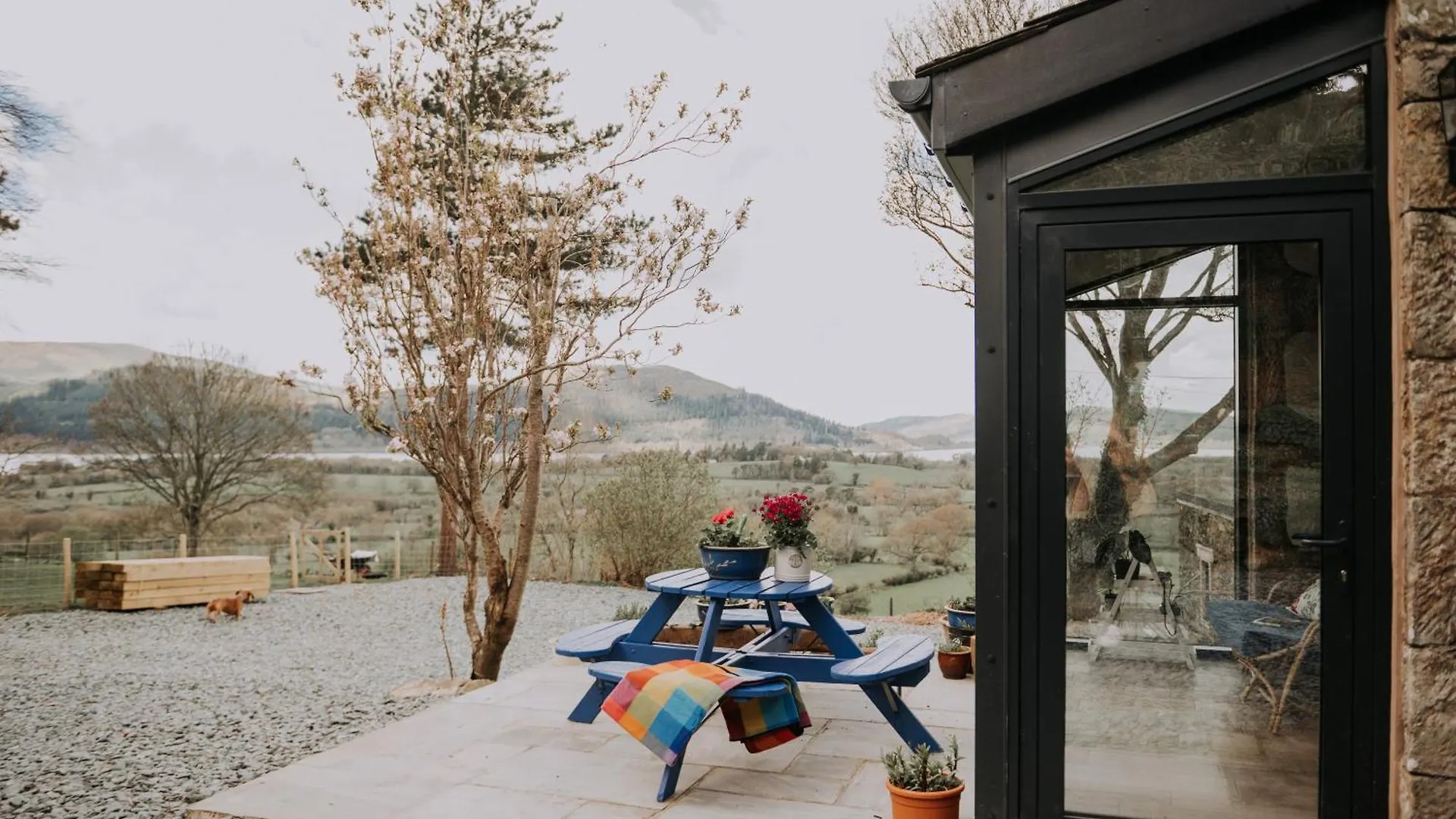
Western Lake District offers some of Cumbria's most secluded self-catering villas and barn conversions, stretching from the Solway Coast to the fells above Buttermere. Unlike the more touristy eastern shore around Windermere, this side of the national park rewards guests who prioritise space, quiet, and direct access to less-crowded trails. Whether you're looking for a working farm lodge near Wigton or a coastal barn with Solway Firth views, this guide covers five standout villa-style properties with the practical detail you need to book smart.
What It's Like Staying in Western Lake District
Western Lake District sits largely away from the Windermere and Ambleside tourist corridor, which means villages like Silloth, Ulpha, and Wigton feel genuinely unhurried even in peak summer. Most villa and self-catering properties here require a car - bus connections are infrequent and taxis are scarce outside Cockermouth and Whitehaven. Crowd pressure is notably lower than the central Lakes, making this area particularly well-suited to families, couples on long walking trips, and groups seeking a full lodge or barn to themselves.
Pros:
Far fewer day-trippers than Ambleside or Bowness - trails like the Cumbria Coastal Way and Whinlatter are accessible without early starts
Villa and barn-style properties typically include private gardens, parking, and full kitchens, reducing daily costs significantly
Proximity to both Lake District fells and the Solway Coast AONB gives unusual geographic variety in a single base
Cons:
A car is essential - self-catering villas here sit in rural or coastal locations with no walkable amenities
Supermarket access requires driving to Wigton, Cockermouth, or Whitehaven, adding planning overhead
Mobile signal and broadband can be unreliable in the most remote farm locations
Why Choose Villa Hotels in Western Lake District
Villa-style accommodation in Western Lake District - barns, farm lodges, and country cottages - consistently offers more floor space than standard hotel rooms in the area, typically including dedicated living areas, multiple bedrooms, and private outdoor space that hotels simply cannot match at similar price points. A self-catering villa here can sleep four to six people for a nightly rate that would cover just two hotel rooms in Keswick. The trade-off is that you handle your own meals and there is no on-site reception, which suits self-sufficient travellers far better than those wanting daily housekeeping or concierge services.
Pros:
Private check-in and full kitchen dramatically lower per-head food costs on stays of around 4 nights or more
Garden, terrace, and mountain-view features are standard at this property type - not upgrades
Allergy-free and non-smoking properties are easier to find in this category than in traditional hotels
Cons:
No on-site catering means driving out for restaurants - nearest dining clusters are in Cockermouth and Keswick
Minimum stay requirements are common, especially in July and August
Cleaning fees and utility charges can push the true cost above the headline nightly rate
Practical Booking & Area Strategy for Western Lake District
Positioning matters in Western Lake District because the region spans roughly 60 kilometres from the Solway Coast in the north to the Duddon Valley in the south. Staying near Wigton places you within around 24 kilometres of Whinlatter Forest Park and roughly 23 kilometres from Derwentwater Lake, giving fast access to both forest trails and the northern lake shore without Keswick prices. Silloth on the Solway Coast is a different base entirely - best for guests prioritising sea air, cycling the Hadrian's Cycleway, and coastal walks over fell hiking. Book at least 8 weeks ahead for July and August, when barn and lodge properties across Cumbria fill quickly and last-minute availability is rare. For shoulder season visits in May, September, or October, prices drop noticeably and walking conditions on routes like Cat Bells and the Cumbria Way are often better than midsummer. Whinlatter Forest Park and Derwentwater are the two anchor attractions for guests staying in northern Western Lake District, while the Duddon Valley and Black Combe fell draw visitors to southern properties.
Best Value Villa Stays
These properties offer strong self-catering value with direct access to Western Lake District's key landscapes, suited to guests prioritising space and rural quiet over hotel services.
-
1. High House Barn
Show on map


 Check-infrom 15:00 until 22:00Check-outfrom 08:00 until 10:00
Just a few rooms left at the best rate!
from£ 284
-
2. St Francis Cottage
Show on map


 Check-infrom 16:00 until 23:59Check-outuntil 10:00
Just a few rooms left at the best rate!
from£ 102
-
3. Snittlegarth Farm Lodges
Show on map


 Check-infrom 15:00 until 23:59Check-outuntil 10:00
Hurry – almost gone at this price!
from£ 149
Best Premium Villa Stays
These properties offer standout location features - Solway Firth sea views and Keswick proximity - for guests prioritising scenic setting and polished self-catering amenities.
-
4. Church House Barn Lake District & Solway Coast With Solway Firth Views
Show on map


 Check-infrom 16:00 until 22:00Check-outuntil 10:00
Hurry – almost gone at this price!
-
5. Lakeland View
Show on map


 Check-infrom 16:00 until 23:59Check-outuntil 10:00
Rooms filling fast – secure the best rate!
from£ 356
Smart Travel & Timing Advice for Western Lake District
The Lake District National Park receives around 19 million visits per year, but the western side absorbs a much smaller share than the central and southern zones - which is the primary timing advantage of basing yourself here. July and August push nightly villa rates up noticeably, and availability for quality barn and lodge properties dries up quickly; for these months, booking 8 weeks or more ahead is the practical standard. Late May and September offer the best balance of dry weather, long daylight, and competitive rates - conditions on routes like Whinlatter's mountain bike trails and the Cumbria Coastal Way are often better than peak summer. A minimum of 3 nights makes financial sense for most self-catering villas here, as travel time to the region from major UK cities is significant and cleaning fees dilute value on shorter stays. October attracts photographers and leaf-season walkers, particularly in the Duddon Valley, but weather windows narrow from mid-month. Avoid the Christmas-to-New Year window if flexibility matters - demand spikes sharply and minimum stay requirements extend to 5 or 7 nights at many properties.