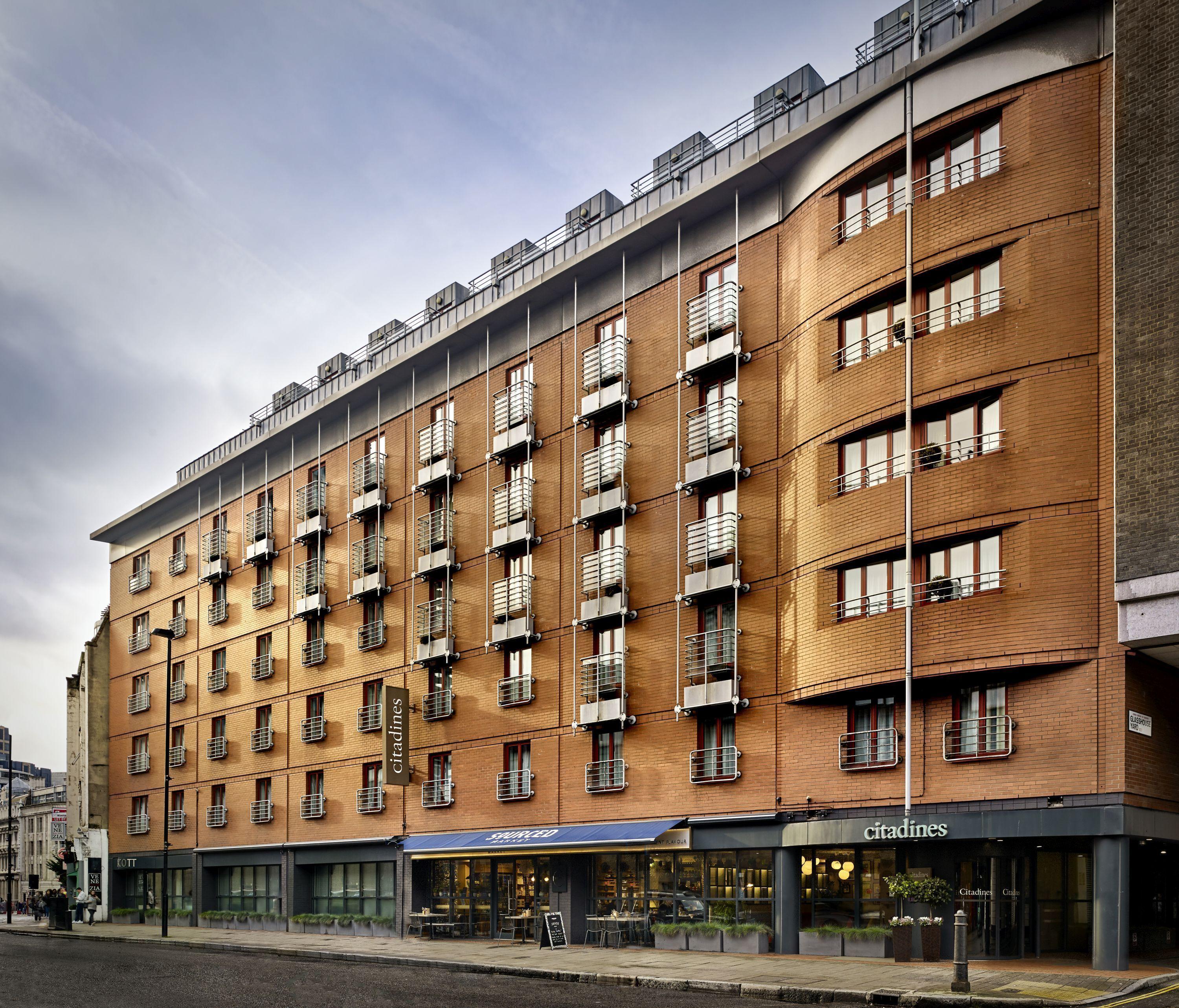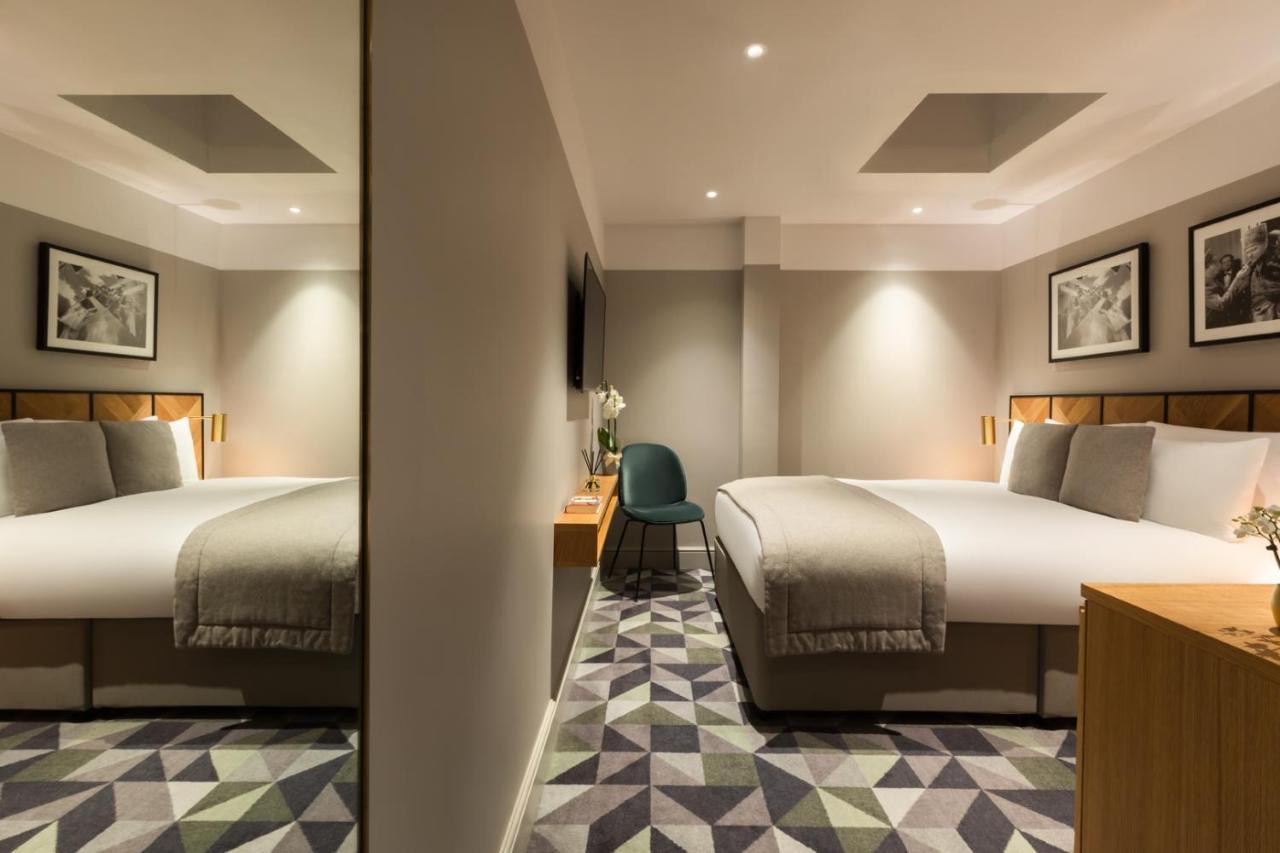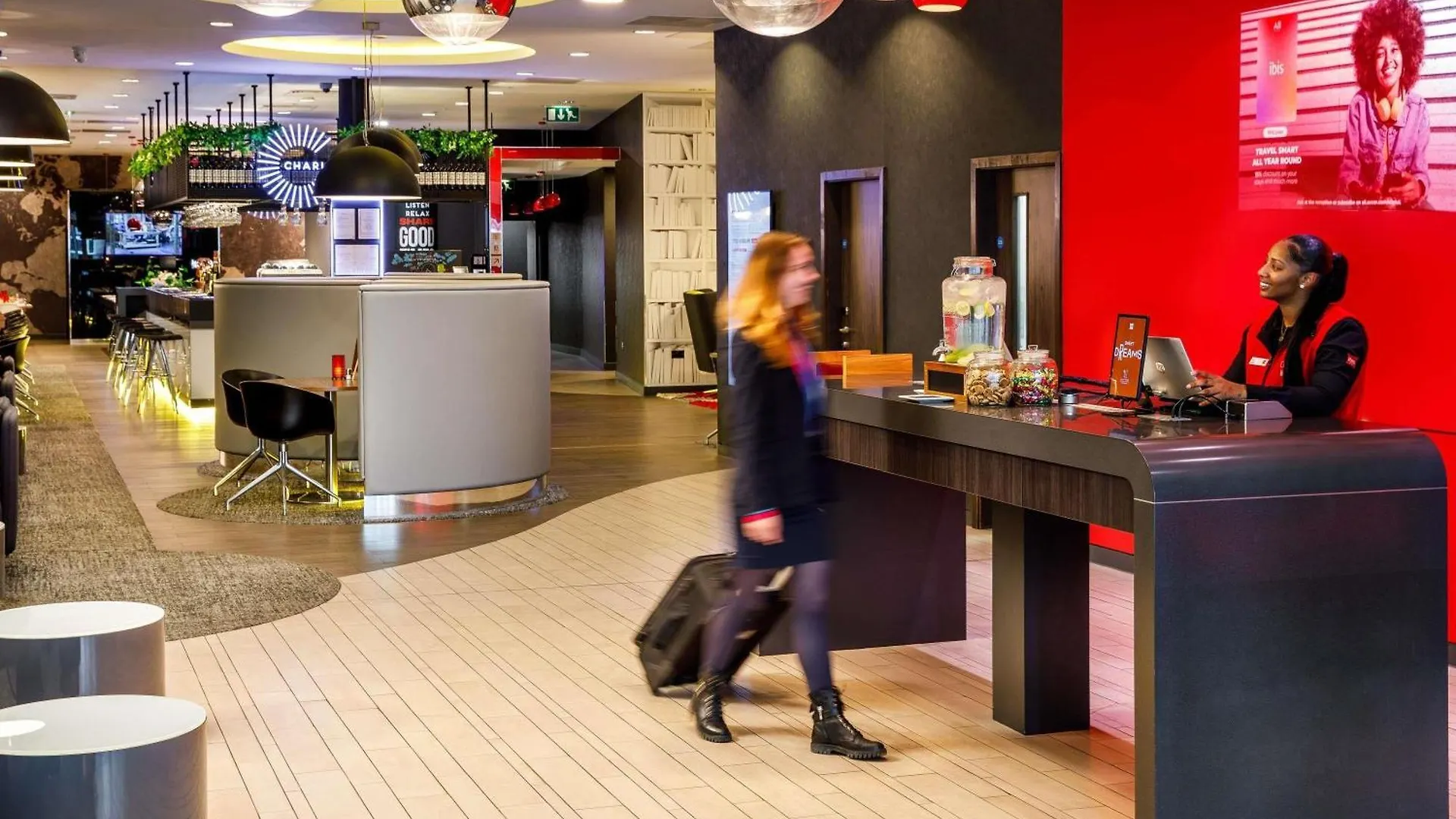
Central London concentrates more boutique hotel options per square mile than almost any city in Europe, but the category spans an enormous range - from individually designed rooms in Victorian townhouses near Notting Hill Gate to contemporary design-led properties steps from Tate Modern. This guide covers 15 boutique and character-led hotels across Central London's most-searched neighbourhoods, with honest location and booking context to help you choose the right one.
What It's Like Staying in Central London
Staying in Central London means most of London's headline sights - the South Bank, Hyde Park, Covent Garden, the British Museum - are reachable within 20 minutes on foot or a single Tube stop. The trade-off is price and noise: rooms in Zone 1 typically cost around 40% more than equivalent properties in Zone 2, and street-facing rooms on busy corridors like Oxford Street or Waterloo Road can be loud well past midnight. That said, for a short visit of 3 nights or fewer, the time saved on transport consistently outweighs the cost premium - especially when Tube fares, taxi surges during peak hours, and the £18-per-day congestion charge are factored in.
Central London is not one neighbourhood - it's a chain of distinct urban villages. Bayswater and Bloomsbury run quieter than Soho or the South Bank, making them practical picks if you need reliable sleep alongside a central position. The Bankside and Southwark corridors have transformed into dense leisure and cultural zones, busy on weekends but well-served by the Jubilee and Northern Lines.
Pros:
- * Walking access to major sights cuts out daily transport costs and planning overhead
- * Zone 1 Tube coverage means no destination in London takes more than around 35 minutes by Underground
- * Concentration of dining, theatre, and cultural venues within a compact, walkable footprint
Cons:
- * Room rates spike sharply during summer and Christmas periods - book early or expect to pay a premium
- * Street noise is a real factor in many central properties, especially around Marble Arch, Waterloo, and Southwark
- * Room sizes are typically smaller than comparable prices would get you in Zone 2 or Zone 3
Why Choose Boutique Hotels in Central London
In Central London, boutique hotels occupy a distinct market position: they tend to occupy converted Victorian or Edwardian buildings with genuine architectural character - townhouses near Hyde Park, Georgian rows in Bloomsbury, historic brewery buildings in the City - rather than the standardised corridors you find in large chain properties. That character comes at a cost; boutique rooms in Central London average smaller floor plans than equivalent chain hotel rooms at the same price point, and you won't always find the fitness centre or 24-hour room service that a 200-room branded hotel can offer. What you do get is design intentionality: individually styled rooms, locally sourced food and drink programmes, and staff ratios that allow for more attentive service.
The practical trade-off in this market is space versus personality. A boutique room in Bayswater or Kensington can feel noticeably snug, particularly in converted townhouses where period layouts dictate awkward room shapes. However, in buildings purpose-designed or fully refurbished for hotel use - such as the Bankside and Southwark properties - room layouts tend to be more functional. Boutique hotels in Central London rarely compete on rate against budget chain brands; their value proposition is specificity of experience, and travellers who prioritise that over square footage consistently find it delivered here.
Pros:
- * Individually designed rooms with genuine architectural context - no two properties feel the same
- * In-house dining in boutique properties tends to be more curated, often with named chefs or locally rooted menus
- * Smaller room counts mean quieter corridors and more attentive front-desk interaction
Cons:
- * Room sizes in converted period buildings can be significantly smaller than the price suggests
- * Fewer amenities compared to large-format hotel brands - wellness facilities, pools, and concierge depth are inconsistent
- * Premium pricing with limited last-minute availability; boutique properties fill faster during peak periods
Practical Booking & Area Strategy for Central London
The strongest micro-locations for boutique stays in Central London fall into three clear corridors. Along the Hyde Park edge - particularly Bayswater Road, Queensway, and the streets feeding off Lancaster Gate - you get quiet, residential-feeling surroundings with direct Tube access on the Circle and District Lines and walkable access to the park itself. The Bloomsbury triangle, bounded by Southampton Row, Gower Street, and High Holborn, positions you within a 10-minute walk of Covent Garden, the British Museum, and both Euston and King's Cross stations, making it a strong base for visitors arriving by Eurostar or travelling north. The Bankside and Southwark strip - running from Blackfriars Bridge to London Bridge - gives you the South Bank's cultural density (Tate Modern, Shakespeare's Globe, Borough Market, and the London Eye all within a mile) combined with direct Jubilee and Northern Line access.
On timing: June through August and the Christmas fortnight represent peak demand across all three corridors, with boutique properties typically booking out 6 weeks in advance. January and February offer the most availability and the sharpest rate drops - around 30% lower than summer averages - without significantly compromising the visitor experience. The South Bank and Bankside area stays animated year-round due to museum and theatre footfall, while Bayswater and Bloomsbury quieten noticeably in winter, which suits travellers who prioritise a calmer neighbourhood feel. For attractions: Westminster, the Houses of Parliament, and Buckingham Palace are all within a 20-minute walk from Mayfair and Chelsea-side boutique properties; from the Bankside cluster, St Paul's Cathedral is around 10 minutes on foot.
Best Value Boutique Stays
These properties deliver the core boutique proposition - individual character, well-considered design, central positioning - at rates that sit below the premium tier, making them strong choices for travellers prioritising location and personality over luxury-level facilities.
-
1. Ibis London Blackfriars
Show on map


 Check-infrom 15:00 until 23:59Check-outuntil 12:00
Hurry – almost gone at this price!
from£ 84
-
2. Ibis Styles London Southwark - Near Borough Market
Show on map


 Check-infrom 15:00 until 23:59Check-outuntil 12:00
Best price guarantee
from£ 72
-
3. London Bloomsbury Square Hotel By Ihg
Show on map


 Check-infrom 15:00 until 23:59Check-outuntil 11:00
Rooms filling fast – secure the best rate!
from£ 81
-
4. Citizenm London Bankside
Show on map


 Check-infrom 14:00 until 23:59Check-outuntil 11:00
Best price guarantee
from£ 152
-
5. Mercure London Bankside
Show on map


 Check-infrom 15:00 until 23:59Check-outuntil 12:00
Rooms filling fast – secure the best rate!
from£ 121
-
6. Grand Royale Hyde Park
Show on map


 Check-infrom 15:00 until 23:59Check-outuntil 11:00
Best price guarantee
from£ 75
-
7. Blakemore Hyde Park
Show on map


 Check-infrom 15:00 until 23:59Check-outuntil 11:00
Hurry – almost gone at this price!
from£ 161
-
8. K Hotel Kensington
Show on map


 Check-infrom 14:00 until 23:59Check-outuntil 11:00
Best price guarantee
from£ 52
-
9. New Linden Hotel
Show on map


 Check-infrom 14:00 until 23:59Check-outuntil 10:00
Rooms filling fast – secure the best rate!
from£ 90
-
10. Sloane Square Hotel
Show on map


 Check-infrom 15:00 until 23:59Check-outuntil 11:00
Just a few rooms left at the best rate!
from£ 207
Best Premium Boutique Stays
These properties lead on facilities, design pedigree, or landmark-adjacent positioning, and represent the upper tier of Central London's boutique hotel market - suited to travellers for whom in-house experience is as important as the city access outside the door.
-
11. Guild Hotel Marble Arch
Show on map


 Check-infrom 15:00 until 23:59Check-outuntil 12:00
Just a few rooms left at the best rate!
from£ 91
-
2. Novotel London Bridge
Show on map


 Check-infrom 15:00 until 23:59Check-outuntil 12:00
Just a few rooms left at the best rate!
from£ 132
-
3. Novotel London Blackfriars
Show on map


 Check-infrom 15:00 until 23:59Check-outuntil 12:00
Best price guarantee
from£ 120
-
4. Montcalm Brewery Townhouse
Show on map


 Check-infrom 15:00 until 23:59Check-outuntil 11:00
Hurry – almost gone at this price!
from£ 113
-
5. The Athenaeum Hotel & Residences
Show on map


 Check-infrom 15:00 until 23:59Check-outfrom 01:00 until 12:00
Just a few rooms left at the best rate!
from£ 269
Smart Timing & Booking Strategy for Central London Boutique Hotels
Central London boutique hotels operate on tight inventory - most properties carry fewer than 100 rooms, which means availability collapses faster than at large-format chain hotels during peak demand windows. June through August is the busiest period across all Central London neighbourhoods: the South Bank and Hyde Park edge properties book out first, typically 6 weeks ahead, while Bloomsbury and the City (Barbican, Blackfriars) hold availability slightly longer due to lower leisure demand. The Christmas fortnight - mid-December through early January - follows the same pattern, with the West End and Mayfair adjacencies commanding the steepest seasonal rate surcharges.
January and February deliver the best combination of rate and availability: boutique properties in Bayswater, Bloomsbury, and Southwark all tend to have genuine room in their calendars, and the reduction from summer peak rates can be significant without the visitor experience suffering meaningfully. London's major museums and galleries - including the British Museum, Tate Modern, the National Gallery, and the V&A - are free to enter year-round, so a winter visit loses nothing culturally. For stays of 3 nights or fewer, booking boutique properties within walking distance of your key attractions is consistently better value than saving on room rate and spending on Tube fares, taxis, and congestion zone penalties. For longer stays - 5 nights or more - the Edwardian apartment-style options near Mayfair or the City's quieter streets around the Barbican give you more breathing room, both literally and logistically, than a compact room on the South Bank.